One of the most important questions in biotechnology is also one of the simplest: does it work?
But that question is often incomplete. A more useful question may be: under what conditions does it work?
Biological systems are influenced by their environments. Temperature, water quality, nutrition, management, stress, species, genetics and many other factors can influence outcomes.
This means that a promising result obtained in one location should not automatically be assumed to produce the same result everywhere.
The Real World Is Not a Controlled Laboratory
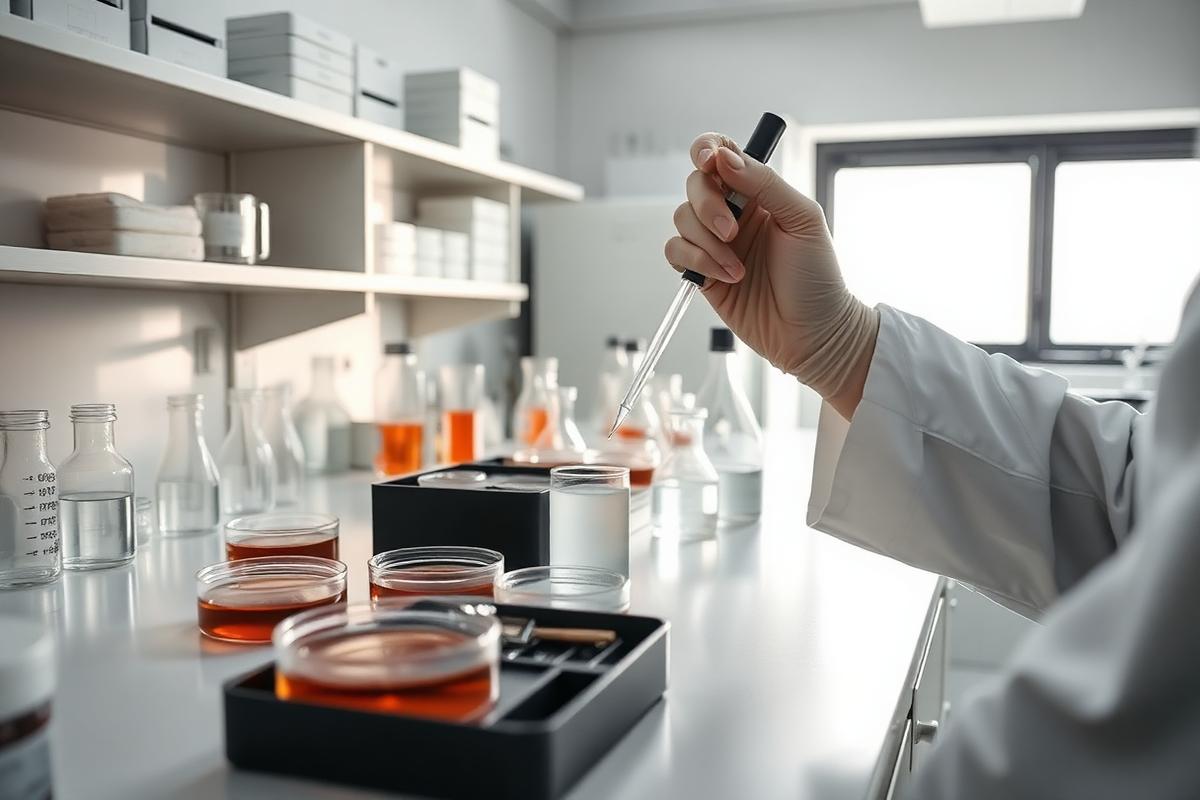
Scientific research is essential because it helps isolate variables and understand mechanisms. But commercial production environments are different.
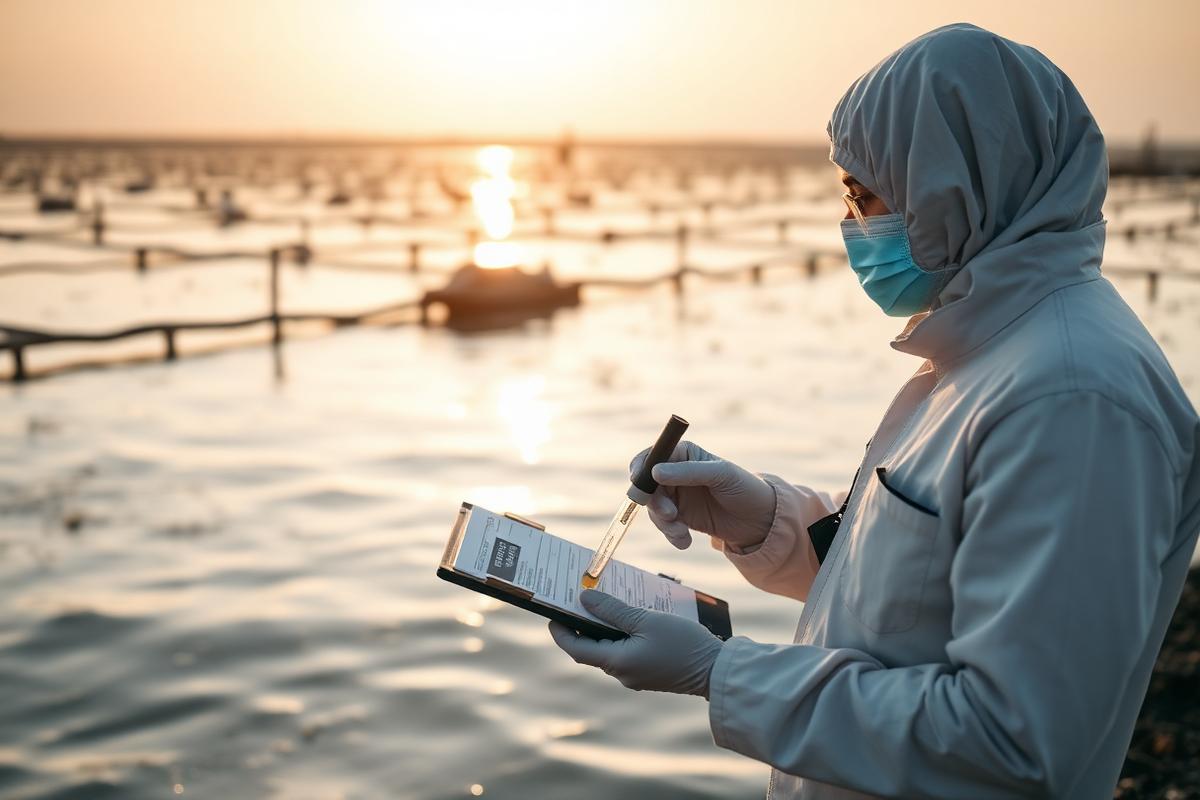
An aquaculture facility in Japan may operate under very different conditions from a facility in the UAE or Africa. Livestock production can also vary dramatically according to climate, feed, management systems, animal genetics and local practices. Agricultural systems are influenced by soil, water availability, temperature and environmental conditions.
This is why local validation matters.
“The question is not only whether a biotechnology works — but where, why and under what conditions it creates value.”
What Should a Pilot Actually Measure?
A pilot should not simply produce a final number. It should help us understand the conditions surrounding that number.
Depending on the application, relevant observations may include:
- Biological outcomes.
- Environmental conditions.
- Operational conditions.
- Production performance.
- Economic implications.
The objective is not to collect as much data as possible. The objective is to collect the right data with the right context.
From Result to Knowledge
Imagine that a pilot produces an encouraging result. That is valuable. But several questions immediately follow.
- What conditions were present?
- What changed? What remained constant?
- Was there a comparison group?
- Could the same pattern be observed again?
- Would the result remain meaningful at commercial scale?
- And does the biological improvement create economic value for the operator?
This is where data becomes knowledge. A result tells us what happened. Context helps us understand why it may have happened. Repetition helps us understand whether the observation may be reproducible.
The Role of Local Partners
Real-world validation cannot be designed effectively from a distance. Local producers and industry professionals understand their environments better than anyone else.
They understand:
- their animals,
- their water,
- their production systems,
- their operational challenges,
- and their economics.
That is why Japan BioBridge believes pilot programs should be co-designed. Technology providers bring scientific knowledge. Local partners bring operational knowledge. Together, they define what should be measured and what success would actually mean.
From Japan to the UAE — and Beyond
Japanese biotechnology may begin with research and discovery in Japan. But international development requires another layer of learning.
The UAE provides an opportunity to connect Japanese innovation with very different environmental and commercial conditions. From there, future validation may extend across different markets in the Middle East, Africa and beyond.
Each environment can teach us something new. Over time, structured learning across different pilots could help create a much deeper understanding of where biotechnology creates the greatest value.
Real-world validation is not about proving that a technology is perfect. It is about learning.
Understanding local context. Collecting structured data. Evaluating results. Improving the next pilot. And gradually turning scientific possibility into practical knowledge.
That is how trust is built. And trust is what allows biotechnology to move from research into the real world.